We asked lots of open-ended questions about clouds...
Here are some of them.
How are clouds made?
How many different types of clouds are there?
What are clouds made of?
Why are clouds white?
Why are some clouds black?
What is a cloud?
Why do they float?
How does the water drops get into the cloud?
What is water vapour and how is it made?
How did the clouds get their names?
What makes the clouds let out the rain?
Why do the clouds move?

Tipuranga Room 16's Blog: 'Empowering a Community of Learners'
Showing posts with label Inquiry. Show all posts
Showing posts with label Inquiry. Show all posts
Sunday, June 2, 2013


Types of Clouds
 |
| Click to learn more and play cloud games |
.gif) |
| Different clouds can be seen at different levels in the sky |
Saturday, June 1, 2013

Tuesday, October 16, 2012
Ancient Egypt
We are so excited about our inquiry this term. It's all about ancient Egypt. Watch out and follow our learning journey!
Wednesday, August 22, 2012
Fossilisation
WALT... sequence pictures and explanations to show the fossilisation process
Here is an example of today's lesson. We had to put the pictures in order then match the explanation.


Fossils
We are learning about fossils.


Plants

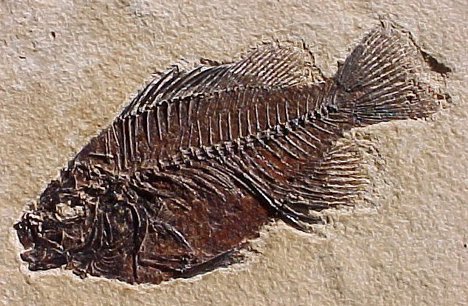

Fossils
- Fossils are
traces of things that happened long ago
- Plants and
animals can become fossils
- We have
only discovered a small number of the plants and animals from the past
- Fossils are
not the original, only a copy
- The most famous fossils are of dinosaurs
- There are also fossils of sea creatures and mammals
- Sometimes many fossils are found in one place because of a flood, earthquake, or other disaster
Plants
- The most famous example of fossilised plants is petrified wood
- Ferns, tree leaves, and other plants have been found, too
- Fossils are often found by accident
- Paleontologists and geologists use clues in the rocks to find good places to hunt for fossils
- Excavating fossils is hard work, and must be done carefully
- A fossil is made when a plant or animal is covered quickly with mud or ash
- The organism’s tissues are replaced over a long period of time with minerals from the soil it was buried in
- Fossils can be dated by the layer of rock they were found in, or by radiocarbon dating
- Many fossils give us an idea of what life was like long ago
- Plants give clues about the diet of animals
- Animals give clues about the availability of plants and the climate when they lived
- Many clues fit together to make a more complete picture of what the world was like long ago
- No matter how many clues we have, we can never really know what life was like long ago
- We can make an educated guess, and fill in the gaps using what we know about life today
- It’s fun to imagine what it was like when the dinosaurs lived. Try it next time you feel bored!
Monday, August 6, 2012
Wire Sculpture
Today we learned a lot about how to bend and join wire when creating a sculpture . We looked at lots of wire sculptures on line, done by famous sculptors. We all thought they were AMAZING! We also made a sketch of a sporting pose then used this to help us make the sculptures. On Wednesday we will cover the wire with tin foil. Watch out for our creations.


Wednesday, July 25, 2012

Monday, July 23, 2012

Wednesday, July 18, 2012
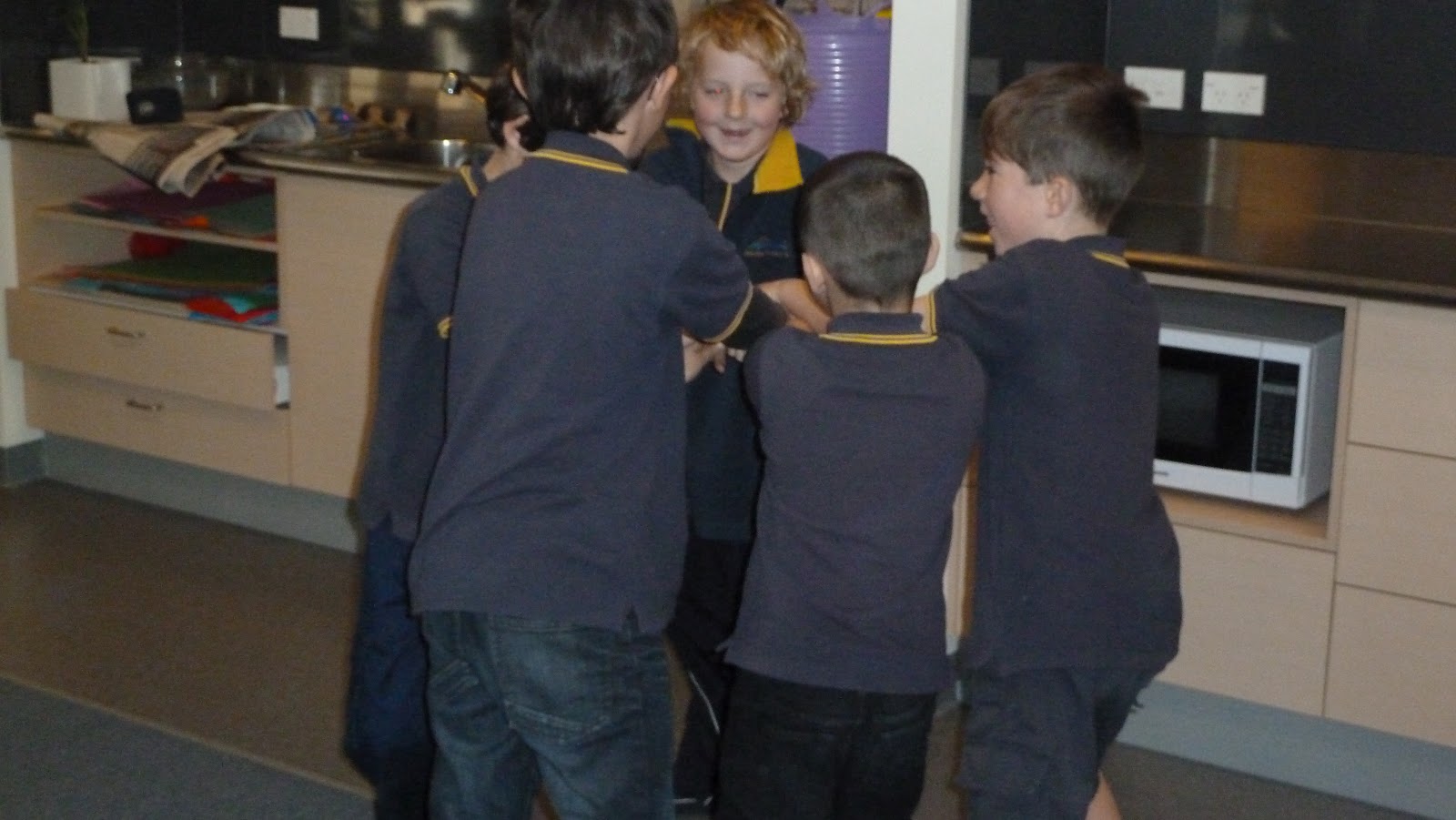
Olympic Ring Dance
Today we created Olympic Ring Dance routines and shared them. We learned about accepting each others ideas, working as a team and respecting each other. The dance performances were great. We only had a short time to prepare our dances so we all had to focus and support each other.


Olympic Rings

Can you make the Olympic Rings out of things at home. Photograph these and email them to school or bring the photos into school to share. Here is a montage of some ideas. Be creative
Making the Olympic Rings
We all experienced the linking of the Olympic rings and how it connects us .


Tuesday, July 17, 2012
London Olympics Emblem

The dictionary says...
1.special design or visual object representing a quality, type, group, etc.
2.a visible symbol representing an abstract idea
The London Olympics Emblem is based on the number 2012.
This is the year of the games. The word London reminds us of the host city.
The vision at the heart of the games is that London 2012 will be ‘Everyone’s Games’.
The Olympic Flag

This is what we learned today...
- The Olympic rings are a symbol of the Olympics
- There are five interlacing rings
- The colours of the rings are blue, yellow, black, green, and red on a white background
- The colours were chosen because at least one of these five colours is found on the flag of every nation
- The rings are interlocked to show friendship among the nations
- The rings represent the 5 main land areas of the world (continents) - Asia, America, Europe, Africa and Australia
- The Olympic motto is Citius, Altius, Fortius. This means Faster, Higher, Stronger in Latin
Then we are going to make up a short dance. Our starting position will be a ring, then move outwards and around, twisting and turning, then coming back to our starting positions.
Saturday, July 14, 2012
Olympic Games 2012
This term we will be learning about the Olympic Games. To start the inquiry we will be learning about the Olympic rings. We will complete a visual art unit on sewing and will stitch the Olympic rings. Watch out for photos of our sewing. The 2012 games will be held n London. Visit these websites to learn more and play some games.

Games

Games
Subscribe to:
Posts (Atom)