

Tipuranga Room 16's Blog: 'Empowering a Community of Learners'
Showing posts with label Fossils. Show all posts
Showing posts with label Fossils. Show all posts
Wednesday, August 22, 2012
Fossilisation
WALT... sequence pictures and explanations to show the fossilisation process
Here is an example of today's lesson. We had to put the pictures in order then match the explanation.


Fossils
We are learning about fossils.


Plants

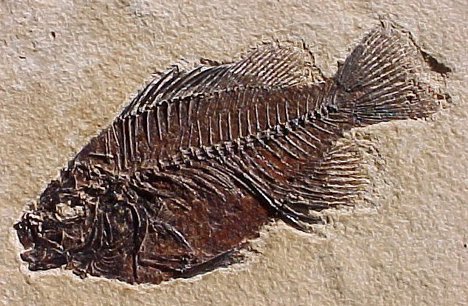

Fossils
- Fossils are
traces of things that happened long ago
- Plants and
animals can become fossils
- We have
only discovered a small number of the plants and animals from the past
- Fossils are
not the original, only a copy
- The most famous fossils are of dinosaurs
- There are also fossils of sea creatures and mammals
- Sometimes many fossils are found in one place because of a flood, earthquake, or other disaster
Plants
- The most famous example of fossilised plants is petrified wood
- Ferns, tree leaves, and other plants have been found, too
- Fossils are often found by accident
- Paleontologists and geologists use clues in the rocks to find good places to hunt for fossils
- Excavating fossils is hard work, and must be done carefully
- A fossil is made when a plant or animal is covered quickly with mud or ash
- The organism’s tissues are replaced over a long period of time with minerals from the soil it was buried in
- Fossils can be dated by the layer of rock they were found in, or by radiocarbon dating
- Many fossils give us an idea of what life was like long ago
- Plants give clues about the diet of animals
- Animals give clues about the availability of plants and the climate when they lived
- Many clues fit together to make a more complete picture of what the world was like long ago
- No matter how many clues we have, we can never really know what life was like long ago
- We can make an educated guess, and fill in the gaps using what we know about life today
- It’s fun to imagine what it was like when the dinosaurs lived. Try it next time you feel bored!
Subscribe to:
Posts (Atom)